| |
| Wednesday, 18 November 2026 |
| OSCAR WILDE: A LIFE IN EPIGRAMS |
| MATTHEW STURGESS |
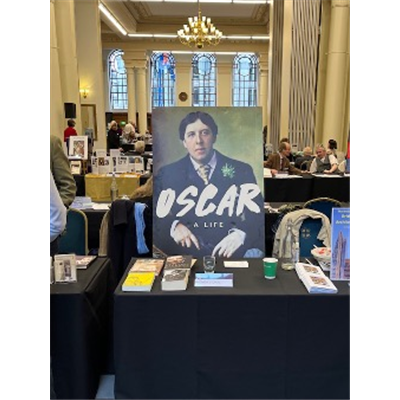 |
Oscar Wilde (1854-1900) was one of the great figures of the late nineteenth century: a poet, novelist, playwright, essayist, wit and subversive thinker. He lived a life crowded with incident, spanning great success and humiliating failure. This talk charts a way through his life and achievement by examining, and contextualizing, half a dozen of his celebrated epigrams, from ‘Every day I find it harder and harder to live up to my blue china’ to ‘I am fighting a battle to the death with my wallpaper: one of us will have to go.’ |
|
| Wednesday, 02 December 2026 |
| THE STORY OF THE DANCE OF THE SUGAR PLUM FAIRY |
| ROSAMUND BARTLETT |
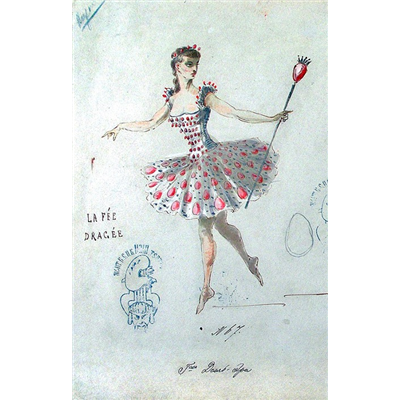 |
Before The Nutcracker became everybody's favourite Christmas ballet, it was staged in Tsarist Russia. With reference to the glorious history of the Imperial Ballet company in St. Petersburg, this talk discusses how Tchaikovsky came to write his magical score and Petipa created its choreography, and also tells the story of the dancers who created the leading roles. It also explores Tchaikovsky's role in transforming classical ballet into the vibrant art form it is today |
|
| Wednesday, 20 January 2027 |
| DRY JANUARY. THE STORY OF ALCOHOL IN ART |
| IAN SWANKIE |
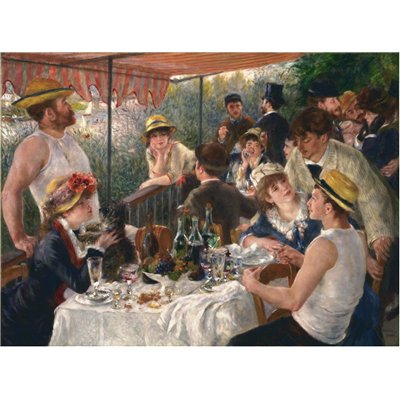 |
This is a talk about booze and intoxication in art. Since the early Romans and Greeks, alcohol has been an important subject for artists. We examine the way drink and drinking are depicted, the social messages portrayed, the happy and unhappy consequences, and how alcohol affected the lives of many artists, their families and friends |
|
| Wednesday, 17 February 2027 |
| WILLIAM BLAKE: POET, PAINTER, PROPHET AND MUCH MISUNDERSTOOD |
| RAYMOND WARBURTON |
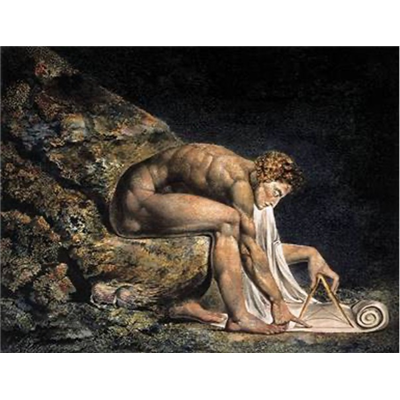 |
William Blake had visions, talked to his dead brother, and invented a mythology that few could understand. Yet for all that he was a deeply human person, with attributes and flaws, and living in lowly circumstances and fighting authority much of the time. He was political, and sided with the revolutions in both France and America. Moreover, this radical man would be bemused by his poem ‘And did those feet’ being sung as a kind of national anthem today. He believed that heaven was overrated and the word of God too often presented as law-giving dogma; while hell was a place free from rules and where emotions and personalities could be expressed. |
|
| Wednesday, 17 March 2027 |
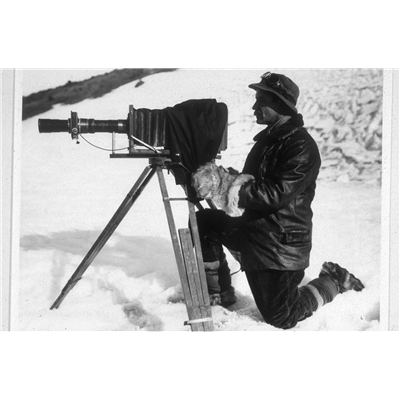
| HERBERT PONTING: PHOTOGRAPHER OF THE EDWARDIAN WORLD AND OF SCOTT’S LAST VOYAGE TO ANTARCTICA |
| GARY SHAEFFER |
 |
|
|
| Wednesday, 21 April 2027 |
| LOOKING FOR GEORGIA:
MY TRAVELS IN NEW MEXICO IN THE FOOTSTEPS OF GEORGIA O'KEEFE |
| LYDIA BAUMAN |
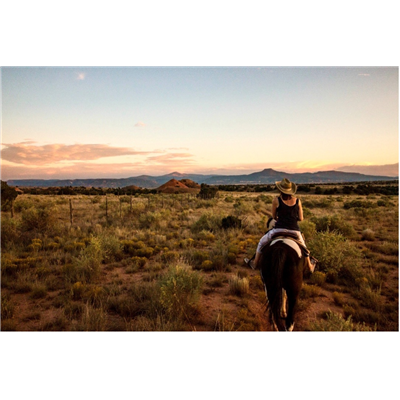 |
A personal account by the landscape painter and art historian, Lydia Bauman, of her journey through New Mexico in search of the iconic motifs painted by American painter Georgia O'Keeffe (1887-1986). Hear about her own adventures and misadventures, insights gained into the legendary painter's life and work and see how New Mexico's magnificent landscape inspired new directions in her own mixed media paintings which led to a major exhibition at the Mall Galleries in 2019. |
|
| Wednesday, 19 May 2027 |
| ICONOCLASM AND THE ART OF DESTRUCTION |
| ALIKI BRAINE |
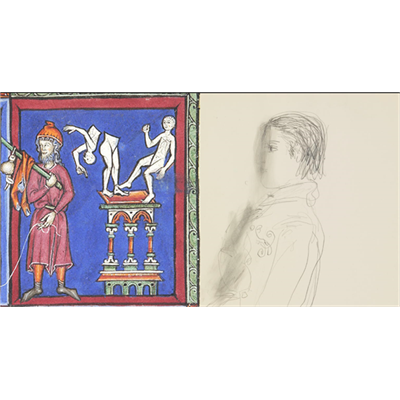 |
The most significant proof of the power of art is the fact that some people feel the need to destroy it. Attacks and acts of destruction have gone on for as long as art has existed, from the iconoclastic riots of the Protestant Reformation to climate protesters’ defilement of historical paintings in national museums. This talk will explore artworks that have survived despite attacks, the practice of using destructive strategies to create art. |
|
| Wednesday, 16 June 2027 |
| WOMEN ARTISTS OF THE SECOND WORLD WAR |
| MAGDALEN EVANS |
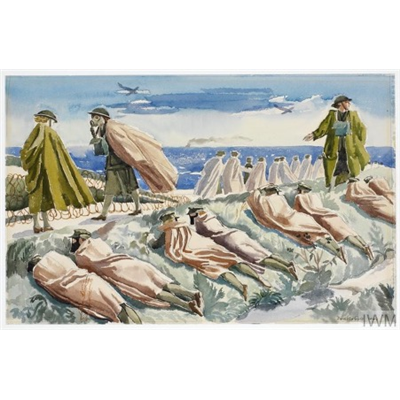 |
Some of the finest work of modern British art was produced during the second world war. Many women were amongst the artists officially commissioned to record the Blitz and travel through Europe to record its devastation first-hand. One, Doris Zinkeisen, was the first civilian to arrive at Belsen after its liberation by the Allies. They also painted land girls back home, the women in factories, in the ATS + the Red Cross, all stepping into the breach to keep the country going. Magdelen Evans will introduce you to some new names based on her interviews with several of the self-effacing but very talented people who found their paintings shown at the National Gallery, while all its other masterpieces were hidden away in the slate mines of Snowdonia. While Myra Hess’s morale boosting concerts took place there throughout the war, the Recording Britain and War Artists Advisory Committee schemes meant that artists were guaranteed employment, and our national collections would inherit work of great historical and propaganda interest, much of which is not often on display. |
|